AI adoption looks different in every segment. We know the differences.
A 3-physician family practice and a luxury med spa have entirely different workflows, regulatory constraints, and ROI profiles. We build our approach around your specific reality.

Independent physician practices
2–5 physician groups drowning in documentation, losing revenue to undercoding, and burning out providers on administrative overhead. AI can recover 1–2 hours per physician per day and 7–11% in missed revenue.
Typical pain: documentation burden, no-shows, prior auth rework, coding leakage

Medical spas and aesthetic clinics
Competitive metro markets where patient experience is the differentiator. AI can automate intake, personalize follow-up, predict appointment demand, and reduce front-desk processing time by 40–60%.
Typical pain: intake bottlenecks, scheduling gaps, inconsistent follow-up, competitive pressure

Behavioral health practices
Post-pandemic demand surge is overwhelming therapists. Documentation after sessions adds 30–45 minutes per day. AI-powered session notes and scheduling optimization free clinicians to see more patients without burning out.
Typical pain: therapist burnout, session note documentation, scheduling complexity, waitlist management
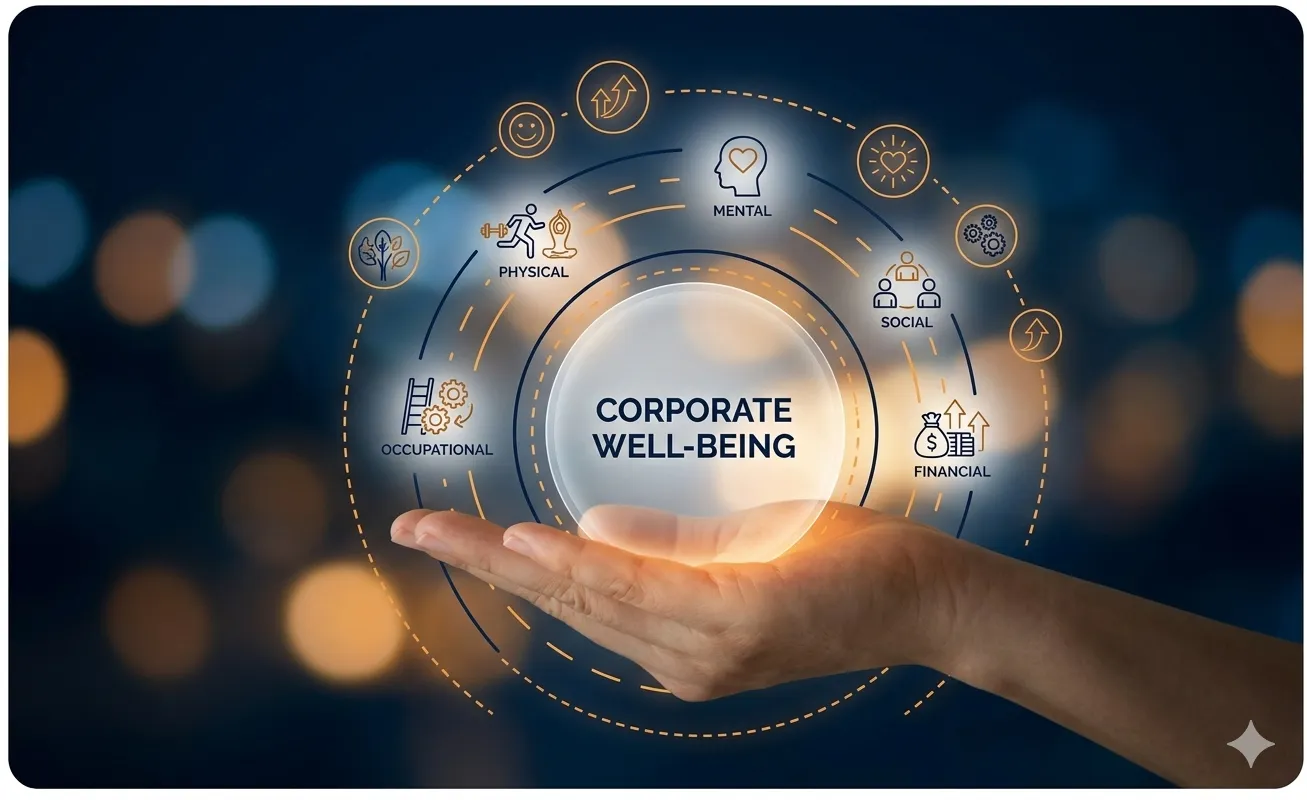
Corporate Well-being
Corporate well-being programs struggling with point solutions and driving utilization. AI can elevate the employee experience with personalized insights, and ease the well-being manager's workload by streamlining communications.
Typical pain: point solution overwhelm, low awareness and utilization, administrative overhead on small staff

Multispecialty medical groups
Mid-to-large groups with multiple service lines, complex scheduling, and cross-department data challenges. AI can unify workflows, standardize documentation across specialties, and surface revenue opportunities hidden in operational data.
Typical pain: cross-department coordination, inconsistent workflows, data silos, revenue leakage at scale

Rehab centers and assisted living
Facilities managing complex care coordination across residents, families, and care teams. AI can automate care plan documentation, predict staffing needs, and improve family communication workflows.
Typical pain: care coordination overhead, staffing variability, family communication, compliance documentation

Wellness resorts and organizations
Premium experiences where participant satisfaction drives repeat business. AI can personalize the participant journey, optimize scheduling across services, and automate follow-up communication that keeps participants engaged.
Typical pain: participant experience consistency, scheduling across services, retention, feedback management

Healthcare entrepreneurs
Founders building the next generation of healthcare and wellness businesses. AI isn't just an operational tool for you. It's a strategic advantage that determines whether you scale efficiently or drown in manual processes.
Typical pain: AI-native operational design, scalable workflows from day one, competitive differentiation
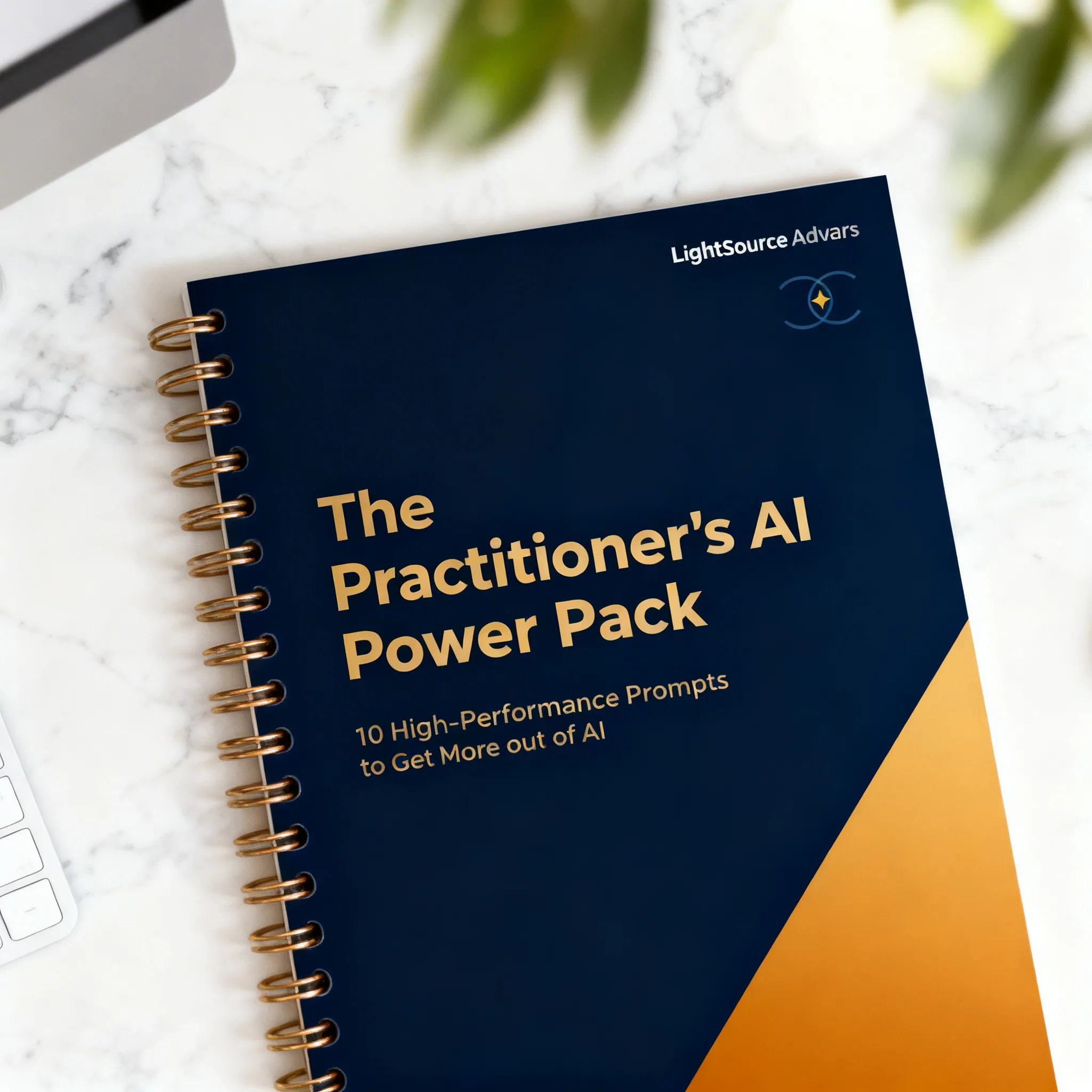
Download the Practitioner's AI Power Pack
9 hours of Google's prompt engineering course, distilled into 10 templates built for healthcare and wellness. Revenue Protection, Marketing and Growth, Operational Efficiency, Strategy and Training.
Don't see your exact situation here?
If your organization operates in healthcare or wellness and you're trying to figure out where AI fits, we can help. The assessment is designed to work across segment types.
Start a conversation